Building the Future with Anticipation: Reflections from the 2025 Geneva Science Diplomacy Week
By Rosemond Nyatefe Tawiah — Chair, SynBio4All Africa — May 2025
“The more you know, the more you realise you know less.” This profound reflection, shared by one of the speakers during the 2025 Geneva Science Diplomacy Week, lingered with me long after the event concluded. In its simplicity lies a humbling truth: no matter how much expertise or experience one accumulates, the vastness of knowledge and complexity of our world continues to outpace us in different ways.
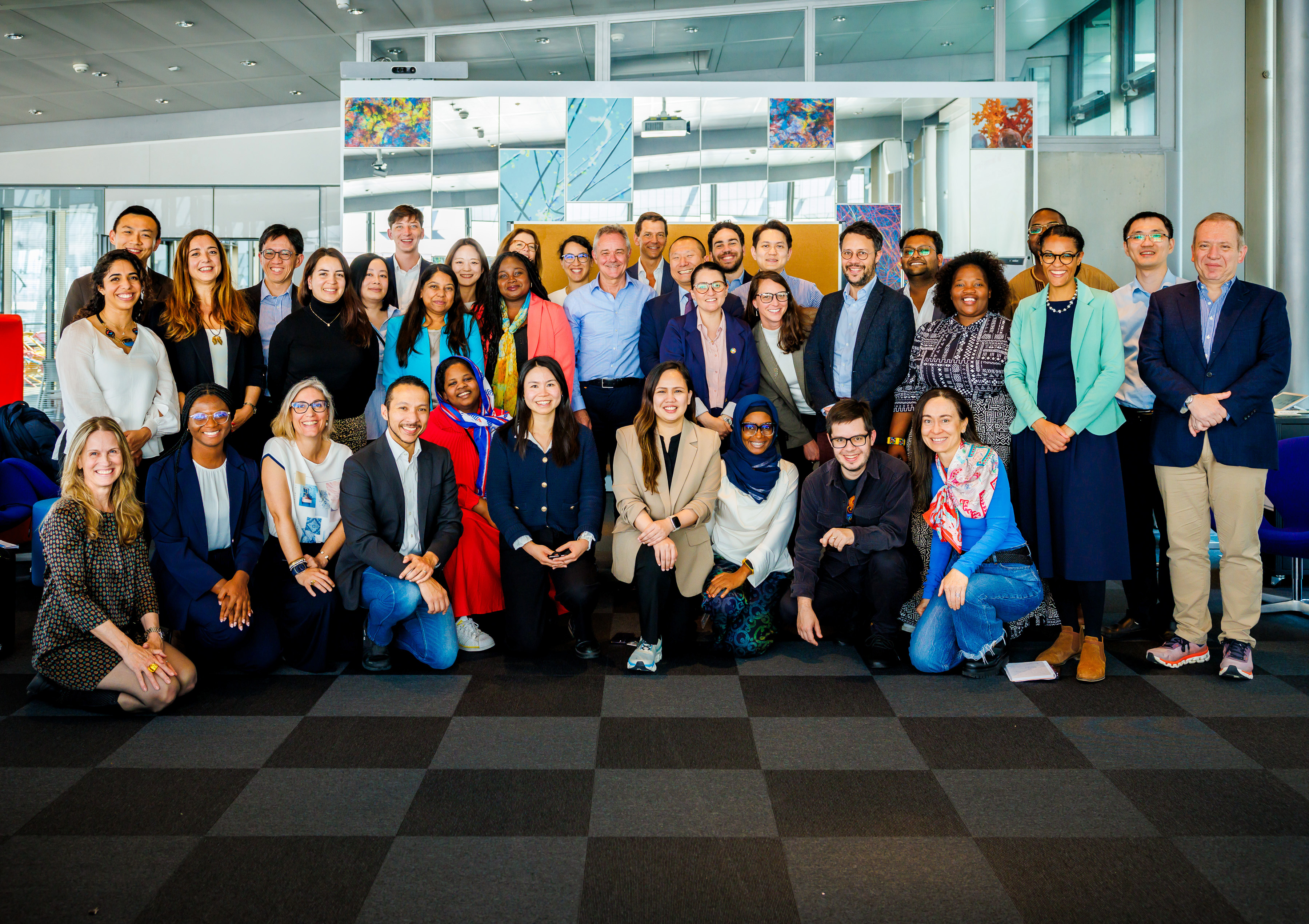
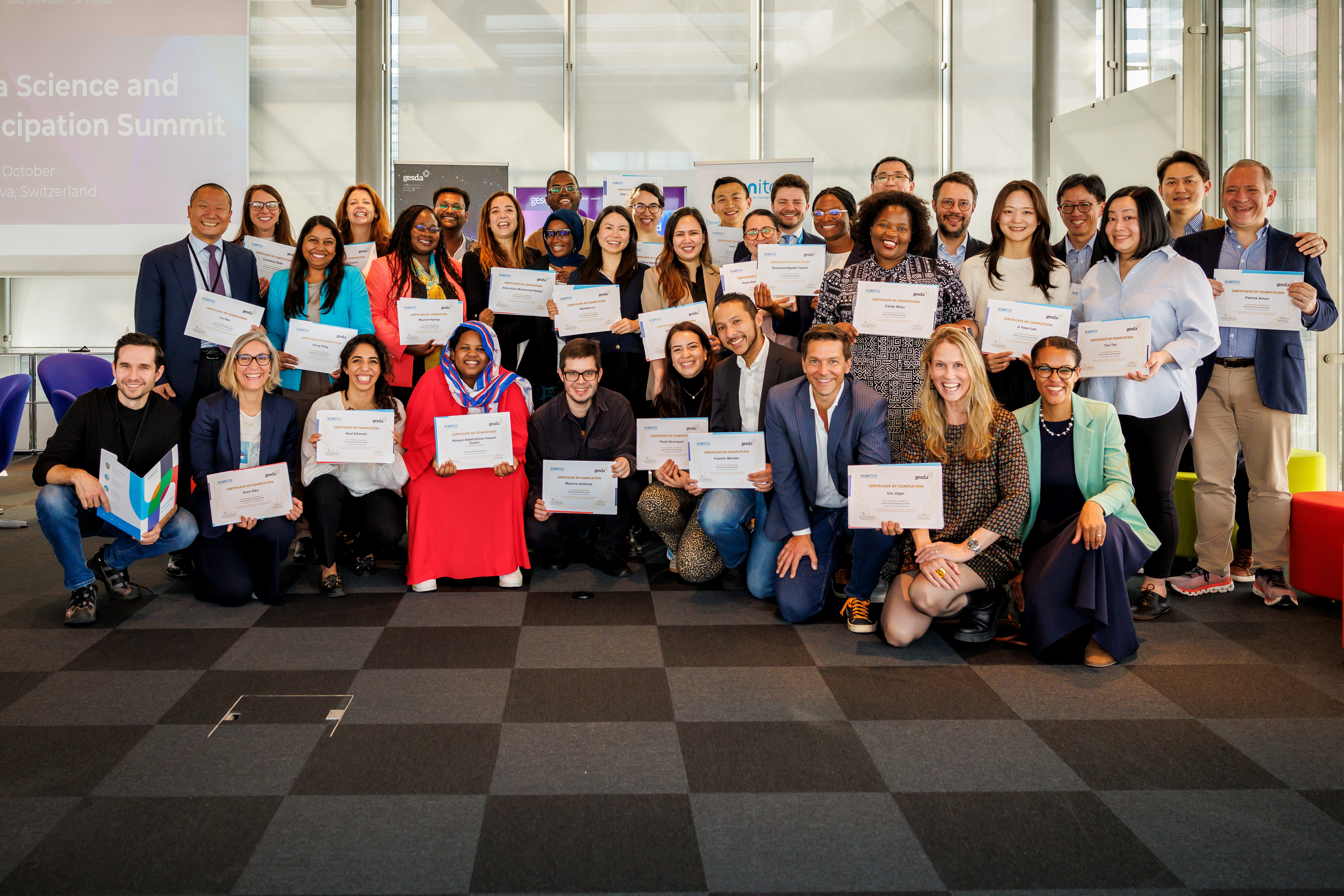
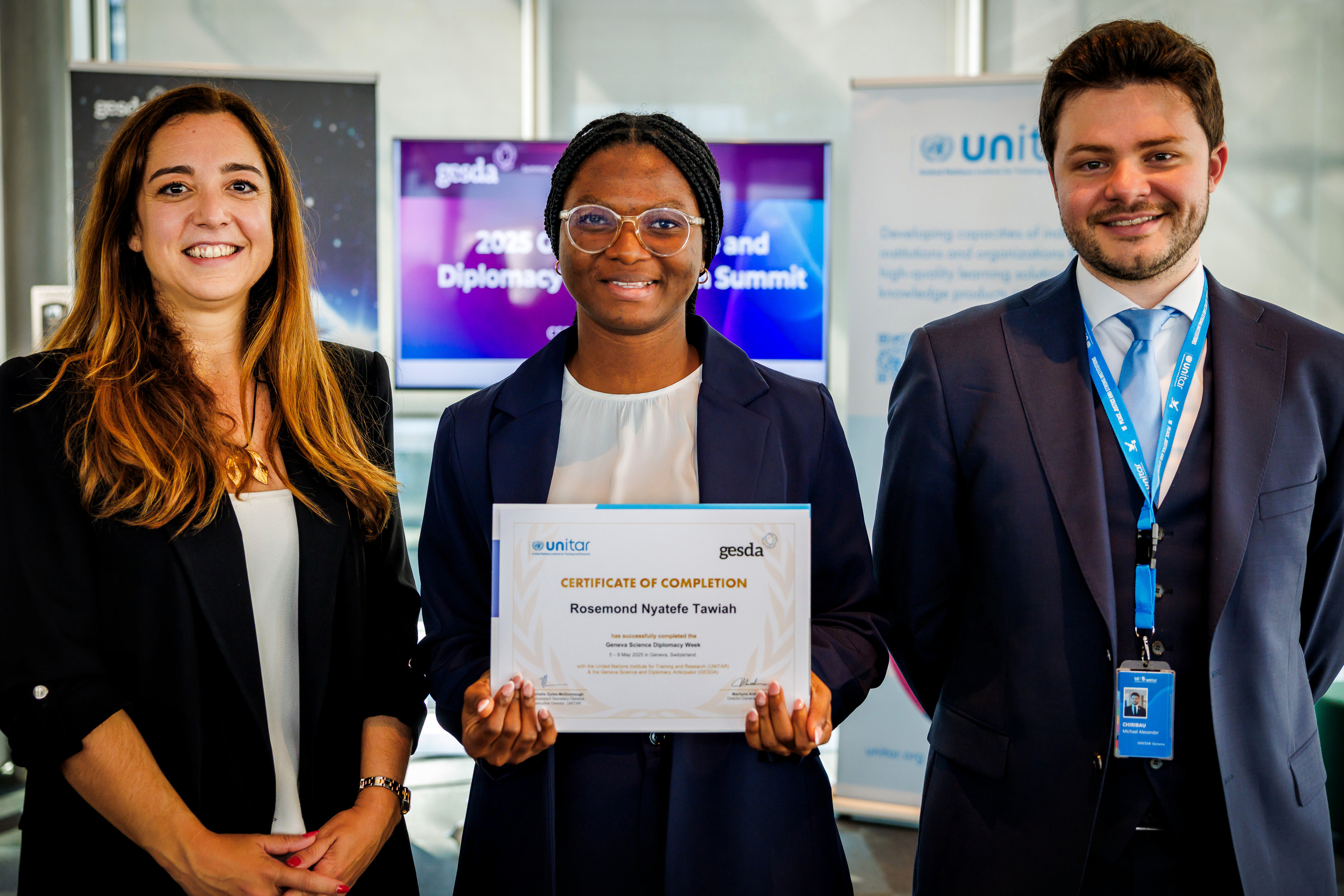
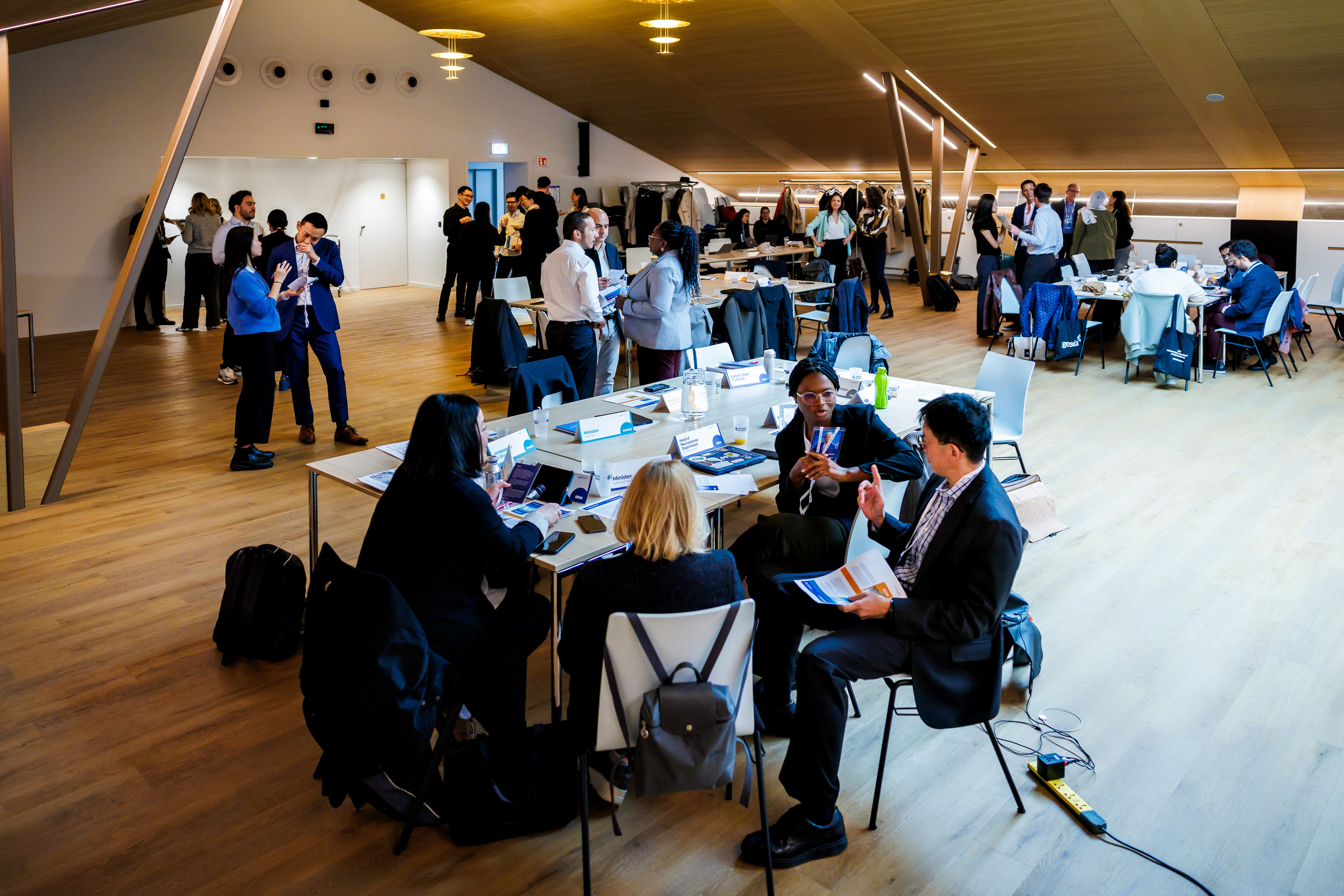
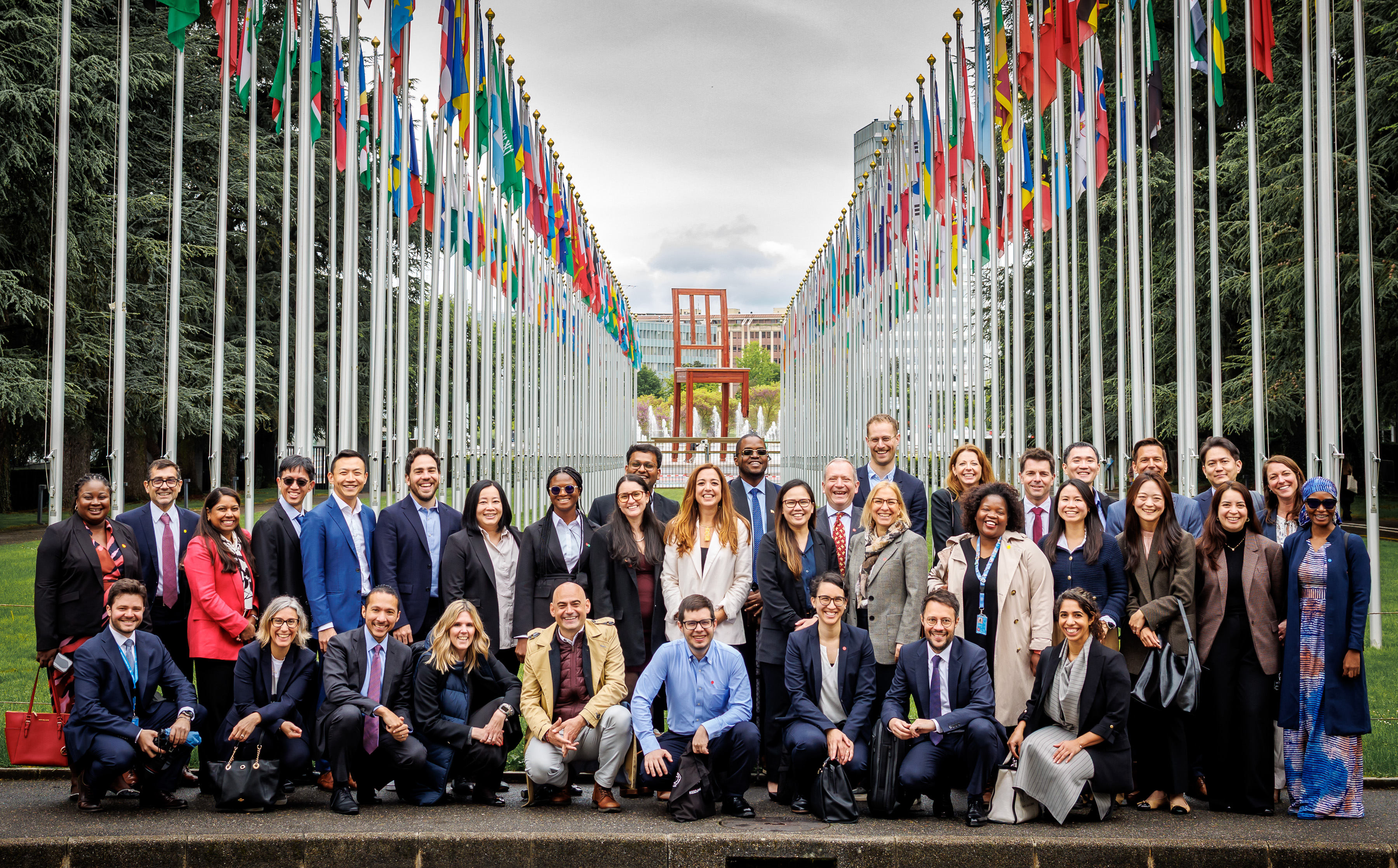
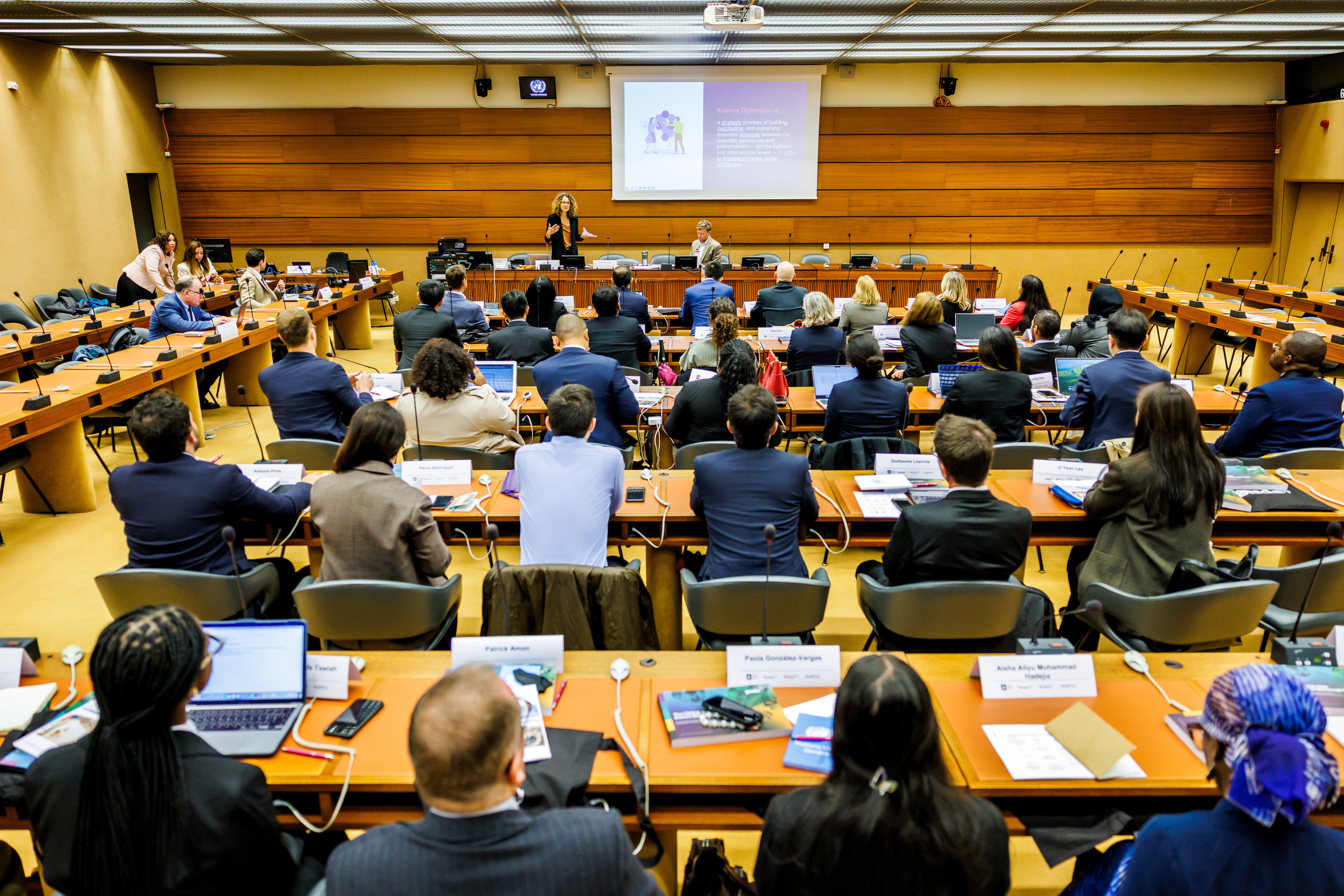
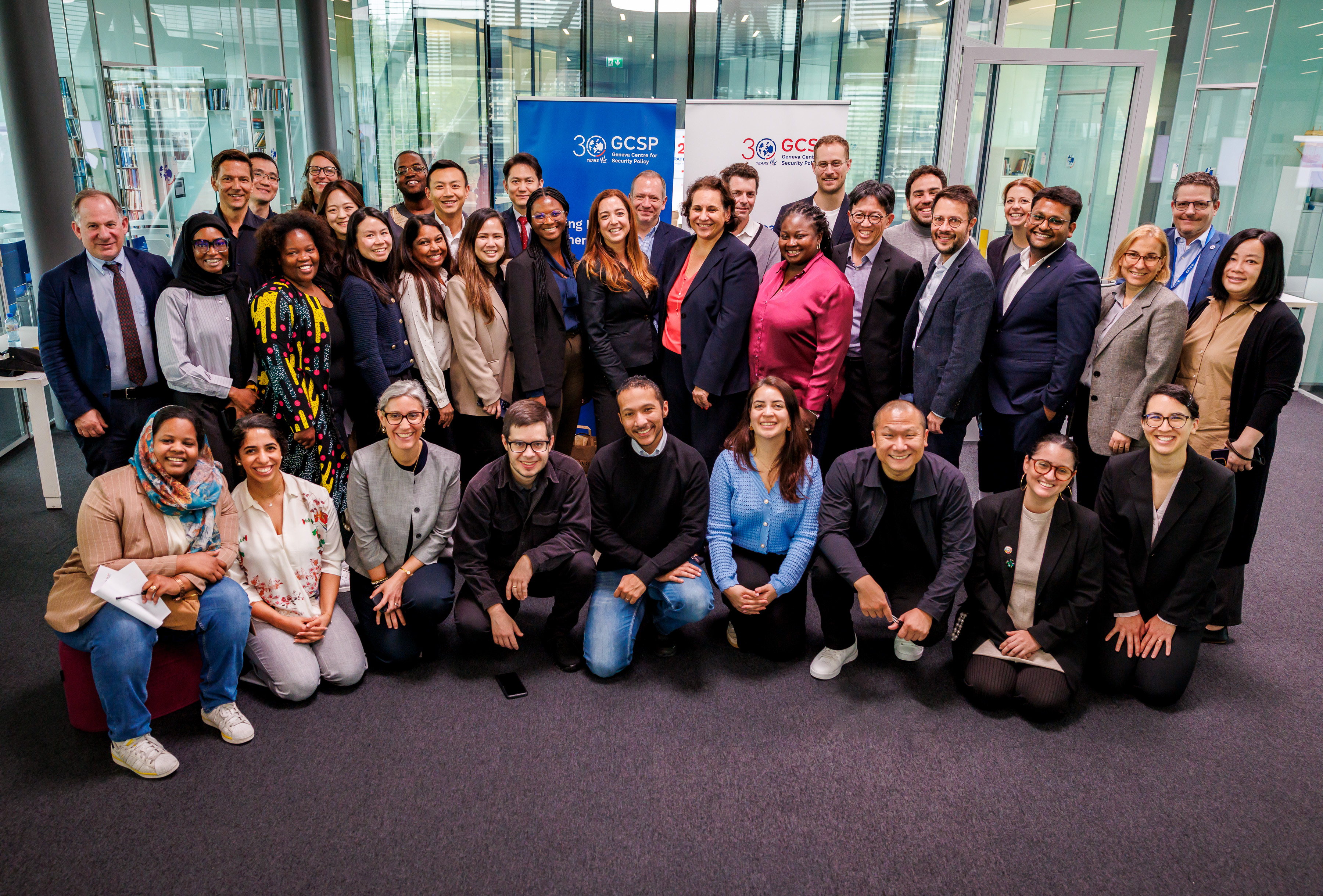
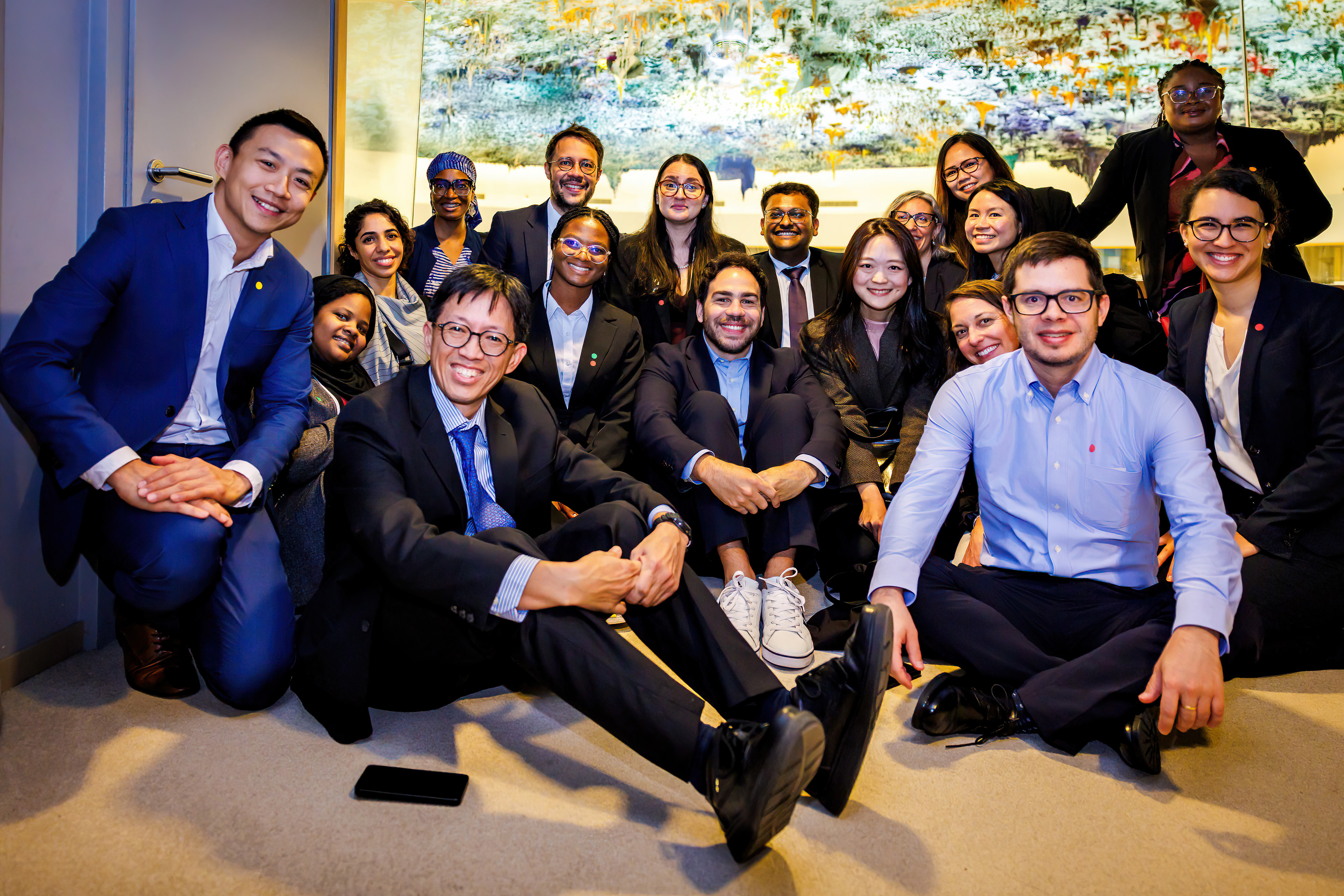
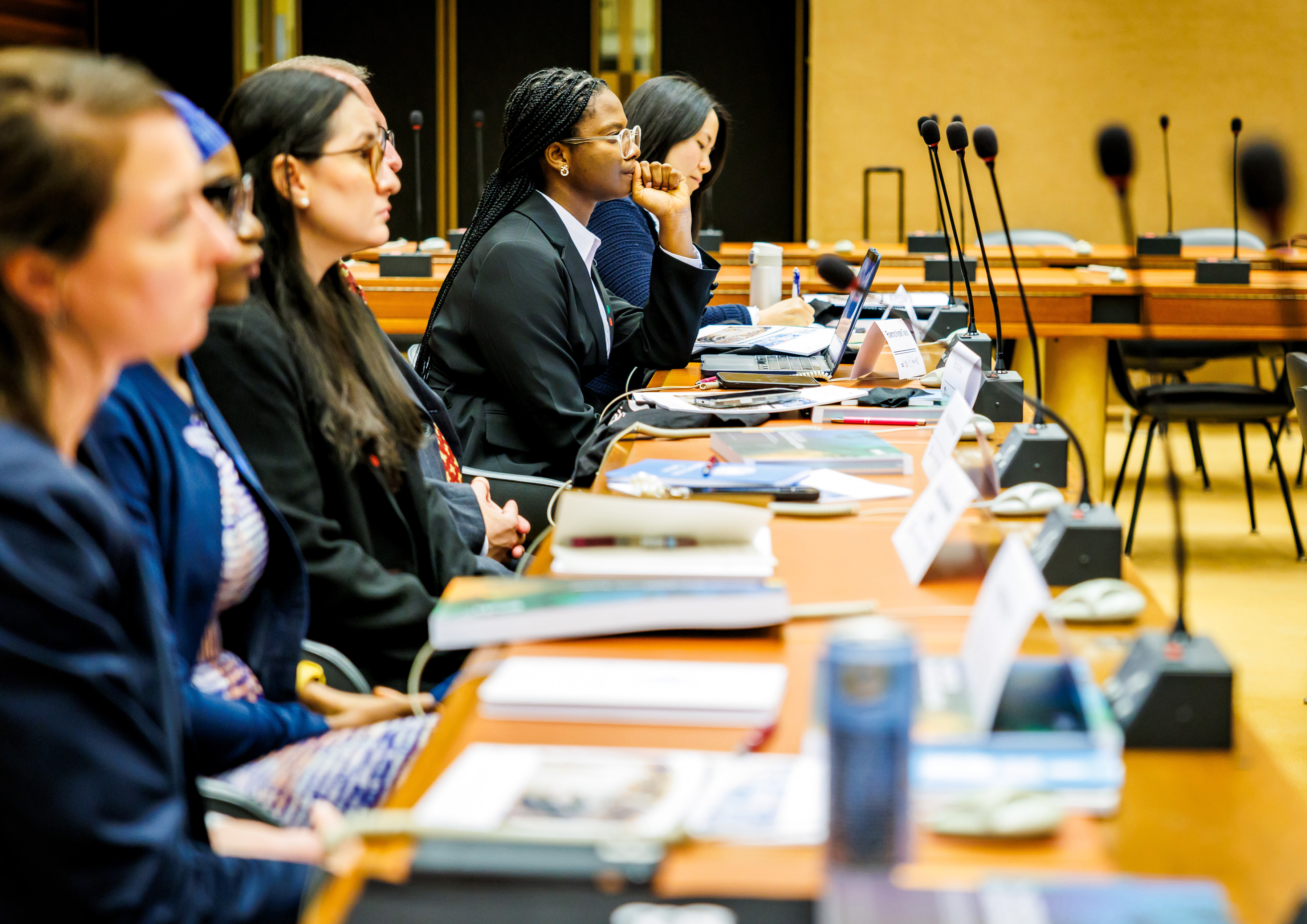
From May 5–9, 2025, I had the immense honor of representing SynBio4All Africa at the Geneva Science Diplomacy Week, a flagship program hosted by the Geneva Science and Diplomacy Anticipator (GESDA), in partnership with the United Nations Institute for Training and Research (UNITAR). Alongside 35 other global leaders including scientists, diplomats, policymakers, funders, and business leaders, I was invited to explore the role of science diplomacy and anticipatory leadership in shaping the future of our planet.
As Chair of SynBio4All Africa, a youth-led organisation dedicated to democratising synthetic biology education across Africa and beyond, this experience was more than just an opportunity to learn. It was a moment of deep reflection. It pushed me to think beyond the virtual learning space we had created and the lab bench, asking instead: How do we position science within the systems that govern humanity? How do we ensure that emerging technologies serve all people equitably, responsibly, and sustainably? How are we as an organisation contributing to shaping the future of SynBio on the African continent and beyond by impacting our learners beyond science?
Science, Systems, and the Need for Foresight & Anticipation
Throughout the week, we traversed the frontiers of science. We explored the ethical dimensions of neurotechnology, the promise and peril of AI, the uncertain terrain of quantum computing, and the global implications of climate-altering technologies. But what stood out most was not the technologies themselves, it was the understanding that diplomacy must evolve alongside science.
In a world increasingly shaped by deep tech and rapid innovation, traditional policy frameworks and international cooperation structures are struggling to keep up. GESDA’s ethos, “Using the Future to Build the Present” reminds us that we must act now, not later. By applying foresight, we can better anticipate future opportunities and risks, while taking deliberate steps today to steer outcomes toward justice, inclusivity, and sustainability.
We learned that science diplomacy is not merely about formal agreements or international protocols. It’s about building trust, fostering mutual understanding, and creating shared visions of the future across borders and disciplines. It is a practical mechanism for addressing global challenges, from pandemics and climate change to food security and digital ethics.
Lessons in Leadership: Simulations, Perspectives, and Humility
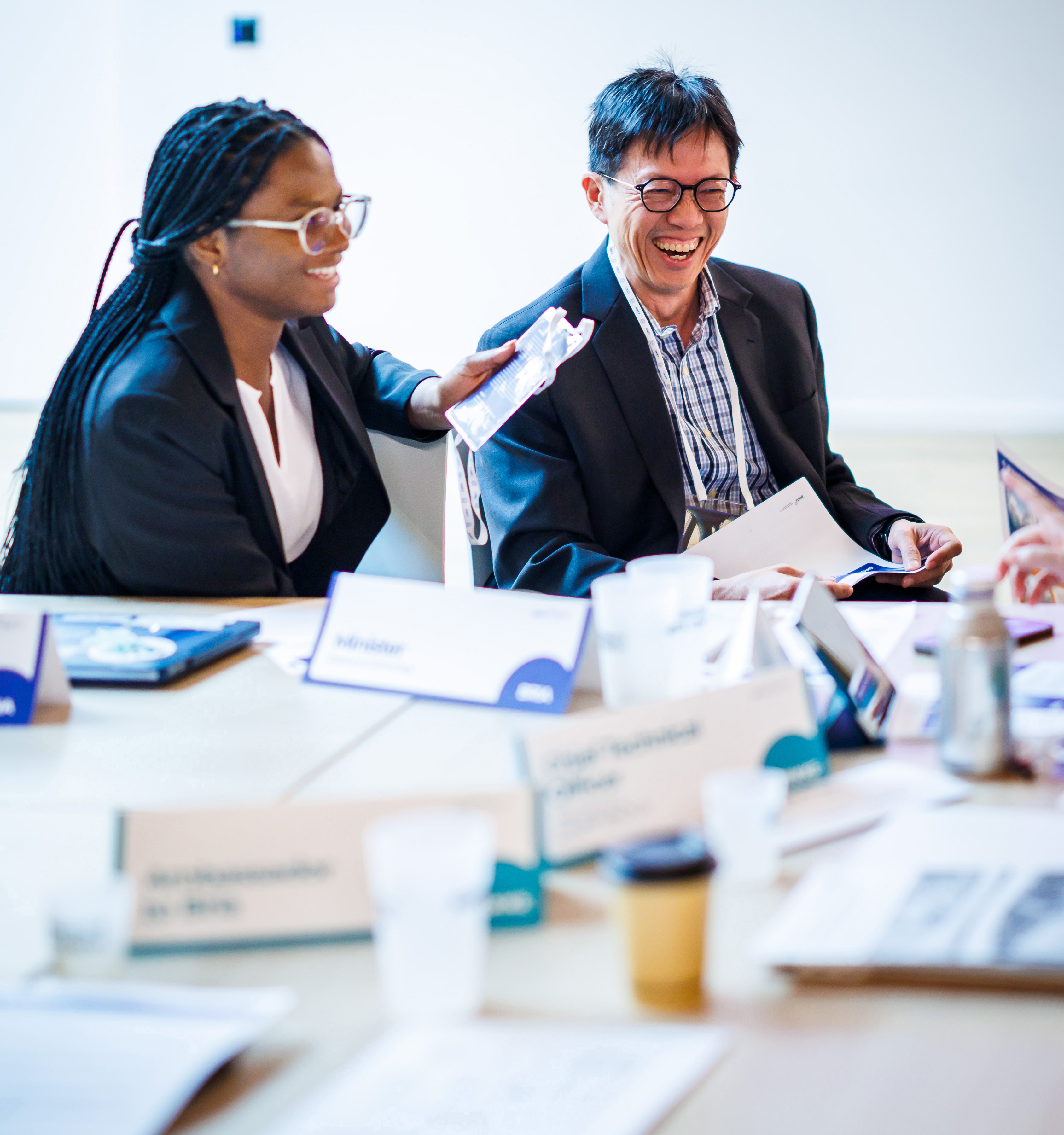
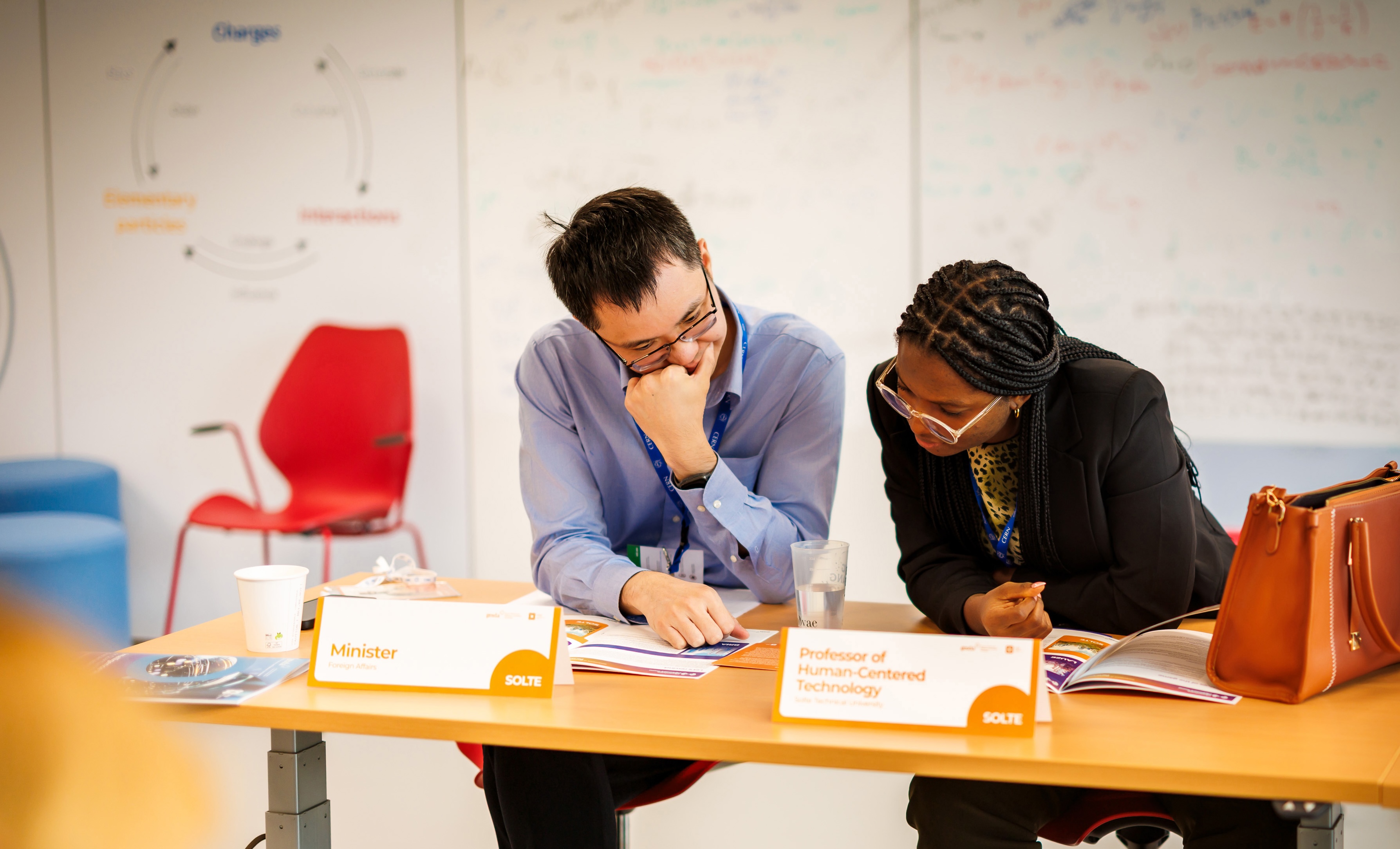
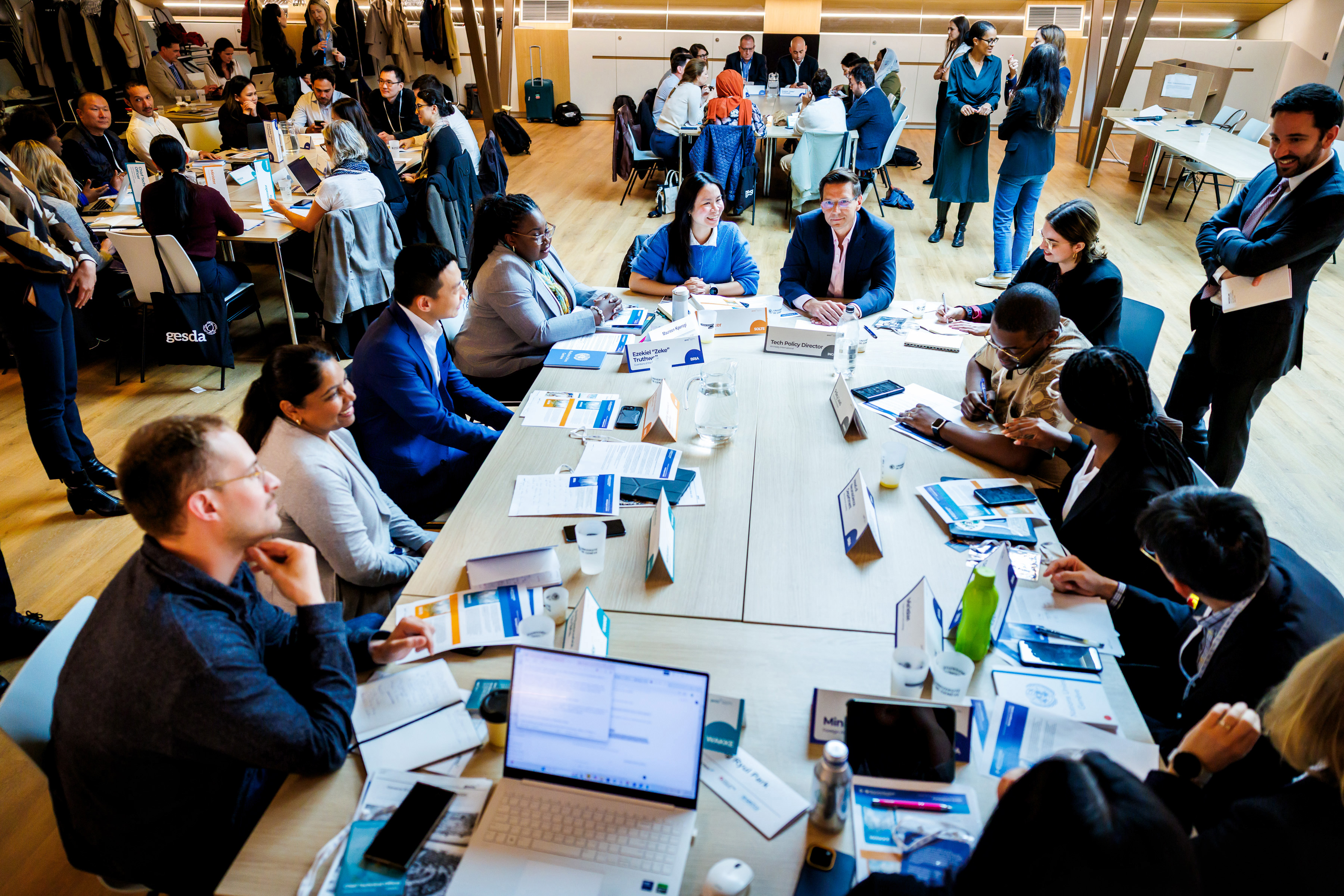
A particularly transformative part of the week involved engaging in futures simulations, scenarios that ranged from utopian collaborations to dystopian breakdowns. These exercises were not just academic; they were emotional and intellectual mirrors. They challenged us to make high-stakes decisions, mediate disagreements, negotiate and consider the implications of our choices across diverse cultural and ethical frameworks.
For me personally, these simulations revealed something critical: I often enter conversations with strong convictions, yet I don’t always pause to consider the full complexity or the perspectives of others. Leadership, I was reminded, requires more than a clear vision. It requires the humility to listen, the empathy to relate, and the foresight to anticipate consequences. I return from Geneva more aware of my blind spots, but also more equipped to address them.
SynBio4All and the Path Forward
As I reintegrate these insights into my work with SynBio4All Africa, I am invigorated by a renewed sense of purpose. We have always championed accessible synthetic biology education, especially in regions like Africa where the promise of biotechnology remains largely untapped. But now, our mission must go deeper.
We must not only teach the “what” and the “how” of science, but also the “why” and the “what next”. We must frame synthetic biology within the larger context of governance, diplomacy, and global equity. We must prepare the next generation of bioengineers and changemakers not just to innovate, but to navigate complexity, anticipate ethical dilemmas, and collaborate across cultures and borders.
The future we want cannot be achieved in silos. It will require multilateral thinking, science-informed diplomacy, and an unwavering commitment to inclusive innovation.
Gratitude and Commitment
I am grateful to the brilliant minds and kind souls I met during Geneva Science Diplomacy Week for the insightful discussions that were rich with curiosity, vulnerability, and mutual respect. I am particularly grateful to Marga Gual Soler, PhD, Michael A. Chiribau, and the entire GESDA and UNITAR teams for their visionary leadership, care, and meticulous planning. I am also deeply thankful to my mentor, Dr. Elena Rosca, whose intentional guidance and unwavering support continue to shape and encourage my holistic growth.
As I move forward in my role at SynBio4All, I carry your wisdom and your challenge with me. Because science diplomacy is not just a concept; it is an imperative. And at the heart of it lies the belief that if we want to shape the future, we must begin by building the present, TOGETHER!
Explore the official summary of the 2025 Geneva Science Diplomacy Week here: GESDA 2025 Summary